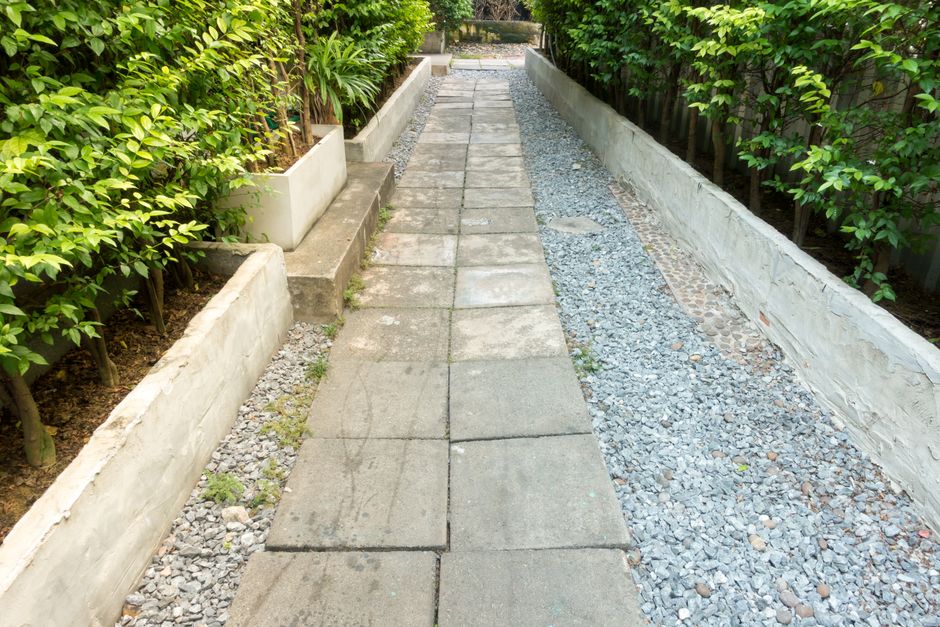
Common problems narrow access Blackheath gardeners solutions

Narrow side paths, tight terraces, awkward back gates, and a long carry from the van to the garden can turn a simple job into a small logistical puzzle. If you are dealing with Common problems narrow access Blackheath gardeners solutions, the challenge is usually not the gardening itself; it is getting people, tools, and waste in and out without damaging the property or wasting time. That matters whether you need a one-off tidy-up, regular upkeep, or a bigger outdoor refresh.
Blackheath has plenty of homes where access is a bit of a squeeze. So the sensible approach is not to fight the layout, but to plan around it. In this guide, you will find the most common access issues, how experienced gardeners work around them, what to avoid, and when it makes sense to bring in a specialist team. A bit of practical thinking goes a long way here.
Why Common problems narrow access Blackheath gardeners solutions Matters
Narrow access affects almost every part of a garden job. If a gardener cannot get a mower through the side entrance, or waste bags have to be carried through the house one by one, the job takes longer and becomes more prone to mess, fatigue, and avoidable damage. That is especially true in older properties, where side passages may be uneven, steps may be steep, and back gardens feel a little tucked away.
It also affects the kind of work that is realistic. A quick mow might still be straightforward, but hedge trimming, garden clearance, tree work, or moving materials for decking and landscaping can become awkward very quickly. You may not notice the problem until the first bucket, branch, or wheelbarrow reaches the bottleneck. Then, suddenly, everyone is improvising.
Good access planning keeps the work tidy and safe. It helps protect fencing, paving, flower beds, and the home itself. It also allows a gardener to quote more accurately, bring the right equipment, and set expectations properly. To be fair, that is half the battle.
If you are comparing options, it helps to look at the full service picture as well. A team that already offers a broad range of garden services is often better placed to adapt the job to the site rather than forcing the site to fit the job.
How Common problems narrow access Blackheath gardeners solutions Works
The process is simple in principle: assess the access, break the job into manageable stages, and use methods that reduce carrying, lifting, and unnecessary repetition. In practice, that usually means a site visit, photos, or a clear description before work begins. A few measurements can save a lot of hassle later.
Gardeners dealing with tight access often think in terms of routes, not just tasks. Where will tools enter? Where will green waste leave? Can a mower or a compact chipper fit through the gate? Is there a place to stage materials without blocking the path? Those questions shape the plan.
For regular upkeep, access problems are often solved by choosing compact equipment and a consistent routine. For heavier work, the method may involve smaller loads, additional clearance, or a more phased approach. If there is an awkward hedge line, for example, a crew may trim from one side first and clear waste progressively rather than trying to do everything in one chaotic sweep.
Sometimes the answer is not more muscle, but better sequencing. That is the quiet secret. A sensible order of work can matter more than brute force.
Key Benefits and Practical Advantages
When narrow access is handled properly, the benefits are obvious almost immediately. The garden is easier to maintain, the home is better protected, and the work tends to finish faster because nobody is backtracking or wrestling with avoidable obstacles.
- Less risk of damage: Narrow routes are where scraped walls, cracked edging, and muddy footprints usually happen.
- Cleaner finishing: Careful access planning means less debris dragged through the property.
- More accurate scheduling: A team can allocate the right number of people and the right equipment from the start.
- Better value: Jobs are less likely to suffer delays caused by poor preparation.
- Improved repeat maintenance: Once access is understood, ongoing visits become smoother and easier to manage.
There is also a psychological benefit, oddly enough. A lot of homeowners feel their garden is "too awkward" to tackle properly. Once the access issue is broken down into practical steps, that feeling lifts. The garden stops being a problem and becomes a project again.
For properties that need routine care, combining access planning with scheduled garden maintenance can be a very sensible way to keep things under control without making every visit feel like a one-off rescue mission.
Who This Is For and When It Makes Sense
This approach is useful for anyone whose garden is difficult to reach with standard equipment or waste handling. That includes terraced homes, properties with side-return access, houses with narrow gates, split-level gardens, and homes where the only route passes close to walls, windows, or delicate planting.
It also makes sense if you are planning work that involves bulky or heavy materials. Decking components, compost, paving, topsoil, timber, and cut branches are all manageable on open sites, but they quickly become awkward when the route is tight. You do not want to discover that the timber stack will not clear the gate after the delivery van has already gone. A bit embarrassing, that.
You should think about access planning if any of these sound familiar:
- Tools have to be carried through the house or a very narrow passage.
- The garden sits behind multiple doors or steps.
- Large amounts of waste need to be removed.
- Hedges, trees, or overgrown borders are limiting movement.
- You are considering landscaping or structural work rather than simple tidy-up tasks.
For bigger overhauls, it is worth looking at landscaping support or landscape gardening if the layout needs reshaping as well as maintaining. Sometimes the garden itself needs to be designed around the access, not the other way round.
Step-by-Step Guidance
Below is a practical way to approach narrow access jobs without overcomplicating them.
- Measure the tightest points. Check gate width, passage width, step heights, and any awkward corners. Even a small difference matters when moving equipment.
- Identify the main route. Decide whether the best path is via the side gate, rear access, driveway, or another entry point. Do not assume the obvious route is the easiest one.
- List the tasks by priority. For example: remove waste, cut back overgrowth, mow the lawn, then tidy edges and finish details. Good order saves time.
- Match equipment to access. Compact mowers, smaller hand tools, and manageable waste containers are often better than oversized gear.
- Protect surfaces first. Lay down boards, covers, or protective sheets where repeated foot traffic could damage paving, turf, or internal flooring.
- Stage waste carefully. Do not pile everything at the narrowest choke point. Keep the route clear so everyone can move safely.
- Work in sections. For overgrown gardens, clear one area completely before moving on. It keeps the job visible and reduces clutter.
- Review the finish. Once the main work is done, check the access route for stray debris, soil marks, or trampled plants.
If the work includes heavy clearance, a service like garden clearance can be particularly useful because it is designed around removing bulk and mess efficiently rather than just trimming what is visible.
And yes, sometimes the best step is simply to stop and reassess before pushing ahead. A five-minute rethink can save an hour of awkward carrying. Seriously.
Expert Tips for Better Results
In our experience, the jobs that go smoothly usually have two things in common: clear communication and realistic expectations. The access issue is named early, and nobody pretends it will be "fine on the day" without checking. That honesty helps everyone.
Tip 1: Send photos before the visit. A few shots of the gate, the passage, the side return, and the garden itself can reveal more than a long message ever will. It also helps the team bring the right kit the first time.
Tip 2: Be specific about obstacles. Bin stores, washing lines, tight corners, unstable paving, and low branches all matter. The details are small, but the impact is not.
Tip 3: Keep access clear on the day. Move parked bikes, bins, and anything else that tends to live in the way. That sounds obvious, yet it is one of the most common causes of delay.
Tip 4: Trim rather than force. If a hedge line or overgrown plant is narrowing the route, hedge trimming before bulk work can make the whole job easier. It is a small move with a big payoff.
Tip 5: Think ahead about waste. Narrow access is not just about entry. It is about exit too. A garden can look neat until the cuttings have nowhere to go. Then the whole thing turns into a mild obstacle course.
Tip 6: Plan regular visits if you can. If access is difficult, waiting until growth becomes extreme usually makes everything harder. Regular care keeps routes open and jobs lighter.
Tip 7: Use the right team for trees and large growth. If branches are blocking movement or overhanging a constrained passage, tree lopping and removal may be the safer and more efficient route than repeated cutting around the problem.
Common Mistakes to Avoid
Some access issues are unavoidable. The mistakes are the ones people make around them.
- Underestimating the route: A gate that looks "about right" can still be too tight once handles, hinges, and ground levels are considered.
- Ignoring the waste plan: You can finish the job and still have a mess if there is no sensible way to move arisings out.
- Choosing equipment that is too large: Bigger is not always better. Sometimes compact and nimble wins every time.
- Starting work before clearing the route: Tools, buckets, and cuttings placed in the wrong spot make everything more difficult.
- Forgetting surface protection: Narrow access often means more contact with walls, paving, and thresholds.
- Assuming one visit solves everything: A badly overgrown space may need phased work rather than one heroic push.
One less obvious mistake is not asking who will be responsible for moving waste or opening access points. If roles are unclear, the job loses rhythm. A garden job is not exactly a military operation, but it does benefit from a bit of coordination.
Tools, Resources and Recommendations
The best tools for narrow access are often the ones that make movement easy. Think compact rather than cumbersome, practical rather than impressive. You want tools that reduce trip hazards and keep the route open.
Useful equipment and approaches often include:
- Compact hand tools for detail work and border tidying
- Lightweight pruning gear for working close to fences and walls
- Small or manoeuvrable lawn equipment where access allows
- Reusable sacks or manageable containers for cuttings and debris
- Boards or coverings to protect paving and internal flooring
- Clear staging zones so waste does not block the route
If the job is more than a tidy-up, it is worth reviewing the wider service options. The lawn mowing service is useful for straightforward regular grass care, while decking services may be the right fit if the access issue is tied to a larger outdoor redesign. Not every problem is solved with a mower and a grin.
You may also find it helpful to check practical business information before booking. Pages such as pricing and quotes, insurance and safety, and health and safety policy can help set expectations clearly and give you confidence in how the work will be managed.
Law, Compliance, Standards, or Best Practice
For home garden work, the main concern is usually not complex regulation; it is safe, sensible practice. That said, any garden project involving lifting, cutting, moving waste, or working near structures should still be handled with proper care. Good practice in the UK generally means minimising risk, using suitable equipment, and avoiding damage to neighbouring property or shared access areas.
If the work involves trees, heavier cutting, or removal of substantial waste, it is wise to use a team that works carefully and understands the practical side of safe site management. Insurance matters too. So does a clear understanding of who is responsible for access, site conditions, and waste handling. Those things may feel mundane until they go wrong.
For customers who prefer to understand how a provider operates, support pages like about us, services overview, and recycling and sustainability can give useful background on working methods and waste-conscious habits. That is usually enough for a sensible decision.
One more thing: if your route passes through internal spaces, it is best practice to protect floors, keep tools controlled, and communicate clearly about movement inside the home. That sounds basic because it is. Basic is good.
Options, Methods, or Comparison Table
There is no single right way to handle narrow access. The best method depends on the task, the layout, and how much material needs to move. Here is a simple comparison to help you think it through.
| Method | Best for | Strengths | Limitations |
|---|---|---|---|
| Compact maintenance approach | Regular mowing, edging, light pruning | Fast, tidy, low disruption | Not ideal for heavy clearance or major reshaping |
| Section-by-section clearance | Overgrown gardens and cluttered access routes | Reduces congestion, easier waste handling | Takes more planning and time |
| Phased landscaping plan | Structural changes, new layouts, larger projects | Allows access to be designed into the work | Usually needs more coordination |
| Targeted tree or hedge reduction | Routes blocked by growth | Can open space quickly and safely | May require specialist handling |
If you are unsure which route fits your garden, start with the least disruptive option and work upward only if needed. That keeps costs and stress down, which is never a bad thing.
Case Study or Real-World Example
Picture a Blackheath terrace with a narrow side passage, a small rear garden, and a hedge that has slowly crept over the path. Nothing dramatic. Just enough friction to make every visit slightly annoying. The homeowner wants the lawn cut, the borders tidied, and the waste removed.
The first job is a quick access review. The gate is usable, but only if the hedge is trimmed back and the route is kept clear. Rather than taking large tools through and hoping for the best, the work is split into stages: trim the hedge, clear loose debris, then mow and edge. Waste is gathered in smaller loads so the passage never becomes blocked.
By the end, the garden looks noticeably bigger, not because the plot changed, but because the access stopped eating into the usable space. That is a common result with tight gardens: a little structural tidying makes the whole place feel calmer and more open. The homeowner is not just happier with the finish. They can now maintain it more easily.
This is where ongoing garden maintenance pays off. Once the access is under control, future visits are simpler, cleaner, and less disruptive. A good result tends to stay a good result if you look after it.
Practical Checklist
Use this checklist before any narrow-access garden job. It is simple, but it covers the bits people often forget.
- Measure gates, passages, and steps.
- Photograph the route from entrance to garden.
- Identify the narrowest point and any overhead obstacles.
- Clear bins, bikes, and movable items from the route.
- Decide how waste will leave the site.
- Protect floors, paving, and vulnerable edges.
- Confirm which tasks are priority and which can wait.
- Ask whether compact equipment is needed.
- Check if hedges, branches, or overgrowth need reducing first.
- Review quote details, safety, and insurance before work begins.
If you can tick most of those off, you are already ahead of the game. Honestly, it makes the whole process much less fraught.
Get a free quote today and see how much you can save.
Conclusion
Narrow access does not have to mean difficult garden work. It just means the job needs a smarter plan. Once the route is understood, the right tools chosen, and the work staged properly, even tight Blackheath gardens become manageable. Sometimes the best solution is simply a more thoughtful one.
The main takeaway is this: do not let access problems put off maintenance, clearance, or improvement work. The sooner the layout is assessed, the easier the rest becomes. And once things are tidy, the garden usually feels a lot more generous than it did before.
If you are ready to make the space easier to live with, the next step is straightforward. Ask for a proper assessment, plan around the bottlenecks, and let the garden start working with you instead of against you. Little by little, it all opens up.
Frequently Asked Questions
What are the most common narrow access problems in Blackheath gardens?
The usual issues are narrow side passages, tight gates, steps, awkward corners, limited room for waste, and access routes that pass through the house. Overgrown hedges and branches can make them even tighter.
Can gardeners still work if the only access is very narrow?
Often, yes. The job may need compact tools, smaller waste loads, and a more careful workflow. In some cases, the work is split into stages so the route stays usable throughout.
Do narrow access jobs take longer?
Usually they do, because everything has to be moved more carefully. That said, good planning can reduce the extra time quite a bit. A well-organised narrow-access job is far easier than a poorly planned open-access one.
Should I send photos before booking a garden visit?
Yes, if you can. Photos of the gate, passage, steps, and main work area help a gardener judge access more accurately. It is a simple step, but it prevents a lot of guesswork.
What kind of jobs are most affected by narrow access?
Garden clearance, hedge trimming, tree work, landscaping, and decking-related projects are usually the most affected because they involve larger materials or more waste. Regular mowing can also be affected if equipment will not fit through the route.
Is narrow access more expensive?
It can be, depending on how much extra labour, time, or equipment handling is needed. The best approach is to request a clear quote after access has been reviewed. That keeps expectations realistic.
How do gardeners protect my property during a narrow access job?
They may use coverings, boards, careful staging, and small load movements to reduce the risk of scuffs, mud, or plant damage. Clear communication before and during the job matters just as much as the tools.
What if my hedge or tree is blocking the access route?
Then trimming or reduction may be needed before the main work can happen. In some cases, a more substantial solution through tree lopping and removal is the safest way to restore access.
Can narrow access gardens still be landscaped?
Absolutely. It just means the design and build plan should account for how materials will get in and out. Smaller sections, phased delivery, and compact methods often work well.
What should I ask before hiring a gardener for a tight-access property?
Ask how they handle access, what equipment they use, how waste will be removed, whether they are insured, and whether the quote includes the extra handling involved. Those questions save headaches later.
How often should I schedule maintenance if access is difficult?
Regular upkeep is usually best. Smaller, more frequent visits stop the garden from getting overgrown to the point where access becomes a bigger problem than the gardening itself.
Where can I learn more about the company before booking?
You can review the provider's background and approach, check insurance and safety, and look over pricing and quotes to understand how they work before making a decision.