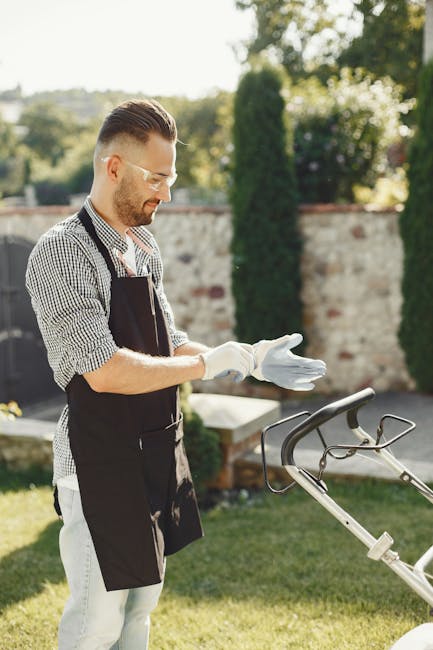
Gardeners Blackheath Village Expert Lawn Care Guide
If your lawn in Blackheath Village looks patchy, tired, mossy, or just a bit sad after winter, you are not alone. London lawns take a beating: shade from mature trees, compacted soil, pets, foot traffic, dry spells, and the odd soggy week that seems to go on forever. This Gardeners Blackheath Village expert lawn care guide is here to help you understand what actually works, what is worth paying for, and how to keep your grass healthier through the year without making the whole thing feel like a second job.
We will cover lawn care basics, local conditions, common mistakes, practical seasonal steps, and the difference between quick fixes and lasting improvement. If you want a clearer lawn, fewer weeds, and a routine that makes sense for a real London garden, this guide should give you a solid start. Truth be told, most lawns do not need magic. They need consistency, the right timing, and a bit of judgement.
Table of Contents
- Why Gardeners Blackheath Village expert lawn care guide Matters
- How Gardeners Blackheath Village expert lawn care guide Works
- Key Benefits and Practical Advantages
- Who This Is For and When It Makes Sense
- Step-by-Step Guidance
- Expert Tips for Better Results
- Common Mistakes to Avoid
- Tools, Resources and Recommendations
- Law, Compliance, Standards, or Best Practice
- Options, Methods, or Comparison Table
- Case Study or Real-World Example
- Practical Checklist
- Conclusion
- Frequently Asked Questions
Why Gardeners Blackheath Village expert lawn care guide Matters
A good lawn does more than look neat. In a local setting like Blackheath Village, it frames the house, softens hard landscaping, and makes the garden feel cared for even when the planting is still maturing. A weak lawn does the opposite. It draws the eye for the wrong reasons, and once bare patches, moss, and uneven growth spread, they usually keep spreading.
What catches people out is that lawn problems rarely have one single cause. A thin patch might be caused by shade, but shade alone is not always the culprit. It could be compacted soil, poor mowing height, inadequate feeding, or a drainage issue after repeated wet weather. That is why a proper lawn care approach matters: it looks at the whole picture rather than just throwing seed at the surface and hoping for the best. Let's face it, hope is not a lawn plan.
Local gardens also have their own rhythm. Older properties often have established trees, narrow side access, and lawns that get mixed use from children, pets, and garden furniture. Newer gardens may struggle with topsoil quality or compacted construction ground. An expert approach takes those differences seriously, which is why a service overview from the wider gardening service range can be useful when you are deciding what level of help you actually need.
How Gardeners Blackheath Village expert lawn care guide Works
Expert lawn care is not one action. It is a sequence. The lawn is assessed, the causes of stress are identified, and then the right treatments are applied in the right order. That sounds simple, but in practice it makes a huge difference.
The process usually begins with a visual check: colour, thickness, weed pressure, moss presence, drainage, patch shape, and how the lawn responds underfoot. A lawn that feels spongy may have thatch build-up. A lawn that is hard and dry may have compacted soil. A lawn with pale blades and weak growth may need feeding, but feeding alone will not help if the roots cannot breathe.
Then comes the seasonal plan. In spring, the focus is often on recovery, scarifying, aeration, feeding, and overseeding. In summer, mowing height and watering habits matter more. In autumn, the goal shifts to strengthening roots before cold weather. Winter is usually about restraint, protection, and avoiding damage. A lot of people overwork lawns in winter and then wonder why they look worse in March. A bit of patience helps.
For many homeowners, the best results come from combining practical maintenance with scheduled professional support. If you want to compare that with costs and package options, take a look at pricing and quotes before committing to regular work. It is often clearer than people expect.
Key Benefits and Practical Advantages
A well-managed lawn gives you more than a tidy finish. The benefits build up over time, and they are very noticeable once the lawn starts to improve.
- Healthier turf: thicker grass crowds out weeds and tolerates wear better.
- Better drainage and resilience: aeration and soil care reduce waterlogging and surface compaction.
- Improved appearance: a greener, more even lawn lifts the whole garden.
- Less reactive maintenance: regular care reduces the need for rescue work later.
- More usable outdoor space: better turf means the garden feels ready for family life, hosting, or quiet evenings outside.
One of the underrated advantages is confidence. You stop wondering if every yellow patch means disaster. You start recognising what is normal seasonal change and what needs attention. That kind of familiarity saves time and money. It also makes your garden feel less like a problem to solve and more like a space you actually enjoy.
Practical takeaway: most lawns fail slowly, not suddenly. The earlier you respond to thinness, moss, and compaction, the easier the fix tends to be.
Who This Is For and When It Makes Sense
This guide is for homeowners, landlords, and anyone responsible for a small or medium garden in Blackheath Village who wants a lawn that looks cared for without wasting effort. It is especially relevant if you have one or more of the following problems:
- patchy or thinning grass
- moss in shaded or damp areas
- hard soil and poor root growth
- uneven colour after winter
- weeds spreading through the turf
- standing water after rain
- scalping or stress from mowing too short
It also makes sense if you are weighing up whether to hire help or tackle the work yourself. Some tasks, like regular mowing and light feeding, are straightforward. Others, such as scarifying, deep aeration, overseeding, and diagnosing drainage problems, are more awkward than they first appear. You can do them yourself, certainly, but not everyone wants to spend a Saturday wrestling with a heavy scarifier and wondering why the lawn looks worse before it gets better.
If you are new to the area or just want to understand the people behind the service, the about us page offers a helpful sense of the team and approach. It is often a good starting point before asking for advice.
Step-by-Step Guidance
Here is a practical lawn care sequence that works well in many Blackheath Village gardens. Adjust it to the season and the condition of the turf, because a lawn in heavy shade needs a different rhythm from a sunny front garden.
1. Start with a proper assessment
Look at the lawn in daylight and check for uneven colour, weeds, moss, hollow patches, and bare areas. Walk across it gently. Does it feel springy, hard, squelchy, or lumpy? Those clues matter. If the lawn is wet, leave it alone for a bit; working on saturated turf can cause more harm than good.
2. Mow at the right height
Do not scalp the grass. A slightly higher cut usually helps the lawn photosynthesise better and shade out weeds. In dry spells, raising the mower height can reduce stress. Short, neat, and stressed is not a winning combination.
3. Remove debris and light thatch
Clear leaves, twigs, and surface debris so the lawn can breathe. If thatch is heavy, a more serious scarifying pass may be needed. Thatch is the spongy layer of dead grass and organic matter that sits between the green blades and the soil. A little is fine; too much blocks air, water, and nutrients.
4. Aerate compacted areas
Compaction is common in family gardens and narrow London plots. Aeration creates channels for air and water. For smaller lawns, hollow tine or spike aeration may be appropriate depending on the soil and the level of compaction. It is especially useful where rain lingers on the surface.
5. Feed based on the season
Spring and autumn feeding are usually the most valuable because they support growth and root strength. The exact product depends on the lawn's condition, but the principle is simple: feed the plant when it can use the nutrients, not just when the shelf label looks reassuring.
6. Overseed bare patches
After scarifying or aerating, overseeding helps fill gaps and thicken the sward. Press the seed into good soil contact, keep it lightly moist, and avoid heavy use until it establishes. A few patches may look rough at first. That is normal. A bit ugly now, better later.
7. Water wisely
Deep, less frequent watering is often better than shallow daily sprinkling. Early morning is usually a sensible time if watering is needed. In many established gardens, mature lawns can cope with less water than people think once roots are properly encouraged.
8. Follow up with ongoing maintenance
The best lawn care is not a one-off rescue. Keep mowing regularly, watch for changes in colour, and address small issues before they become large ones. For people who prefer a planned approach, a recurring service can be easier than trying to remember every task by season.
Expert Tips for Better Results
These are the little things that often separate a merely acceptable lawn from one that really settles in and improves.
- Do not overfeed stressed grass: feed when the lawn is active, not when it is already struggling from heat or drought.
- Mix your approach in shady gardens: shade-tolerant grass seed and lighter mowing can help, but deep shade may always be a challenge.
- Watch the edges: lawn edges near paths, fences, and borders often dry out or thin first.
- Keep mower blades sharp: blunt blades tear grass rather than cutting it cleanly.
- Treat moss as a symptom, not the whole problem: it is usually telling you something about moisture, shade, acidity, or compaction.
A small but useful habit is to note what the lawn looks like at the same time each month. Even a quick glance from the back step can help you spot changes early. That simple routine beats panic later, every time.
And if you are deciding how much help to bring in, remember this: a good gardener does not just perform tasks. They make judgement calls. That part matters more than people realise.
Common Mistakes to Avoid
Most lawn mistakes are understandable. People are busy, and lawn care can seem like the sort of job you can sort out "later." But later often means more weeds, thinner grass, and more work.
- Cutting too short: this weakens the lawn and encourages stress.
- Scalping after winter: the lawn may look untidy, but brutal cutting can set it back.
- Ignoring compaction: feeding alone will not fix soil that has no air space.
- Overwatering: this can encourage shallow roots and fungal issues.
- Using the wrong seed mix: generic seed is not always suited to shaded or heavily used gardens.
- Leaving moss untreated for too long: it spreads where grass is already weak.
One common trap is trying to solve everything at once. The lawn is patchy, so you seed. It is mossy, so you feed. It is bumpy, so you mow lower. That sequence sounds busy, but it can end up making the turf more fragile. Better to tackle the root cause first, then support recovery. A bit slower, yes. But better.
Tools, Resources and Recommendations
You do not need a garage full of specialist kit to keep a lawn in decent shape, but having the right tools makes maintenance far less frustrating.
| Tool or Resource | Best For | Why It Helps |
|---|---|---|
| Rotary or cylinder mower | Regular mowing | Maintains an even cut and reduces stress when used correctly |
| Lawn rake or spring-tine rake | Debris and light thatch | Keeps the surface clear and improves air movement |
| Aerator | Compacted soil | Opens the root zone so water and air can penetrate |
| Overseeding spreader | Patch repair | Helps seed distribution and even coverage |
| Soil improver or topdressing | Levelling and establishment | Supports seed contact and smoother turf recovery |
| Professional support | Seasonal or difficult jobs | Useful when the lawn needs diagnosis, not guesswork |
If your garden produces a lot of green waste after scarifying or pruning nearby borders, you may also want to think about disposal and reuse. The recycling and sustainability page is a sensible place to explore that side of the service. It is one of those details people forget until the bags start piling up.
For people who want clarity before booking, the contact us page is the natural next step. A short conversation often saves a lot of back-and-forth later on.
Law, Compliance, Standards, or Best Practice
For most domestic lawns, the main concern is not complex regulation. It is sensible, safe working practice. That said, professional gardeners should still follow good standards around equipment use, waste handling, liability, and site safety.
In a residential setting, best practice usually includes checking access, protecting paving and planting, using tools responsibly, and working in a way that reduces risk to occupants and property. If machinery, sharp tools, or treatment products are involved, the operator should understand how to use them safely and in line with accepted UK practice. For peace of mind, it is reasonable to ask about insurance and safety before any work begins.
Where service terms matter, such as scope, timing, cancellations, or payment expectations, it helps to read the relevant pages rather than making assumptions. The terms and conditions and payment and security information can be helpful for that. It is not the glamorous part of lawn care, obviously, but it does keep expectations clear.
If you ever need to raise a concern, a transparent business should also make that process easy to find. That is why pages like the complaints procedure, privacy policy, and accessibility statement matter. They are part of trust, not just paperwork.
Options, Methods, or Comparison Table
Not every lawn needs the same level of intervention. A simple comparison can help you decide whether to maintain, improve, or fully restore the turf.
| Approach | Best For | Pros | Limitations |
|---|---|---|---|
| Routine maintenance | Healthy lawns needing consistency | Low disruption, keeps grass tidy and stable | Won't fix deeper problems like compaction or moss build-up |
| Seasonal improvement | Thin or tired lawns | Targets the causes of decline with aeration, feeding, and overseeding | Needs time and follow-up |
| Full restoration | Severely patchy or worn lawns | Can transform the overall finish | More time, more cost, and more aftercare |
To be fair, many gardens sit somewhere between the second and third option. They are not beyond saving, but they do need more than a quick tidy-up. If you are unsure, a site visit or a careful conversation with an experienced gardener is usually the best way forward. Guessing rarely wins.
Case Study or Real-World Example
Imagine a typical Blackheath Village back garden: part sun, part shade, a narrow strip along the fence, and a lawn that gets used most weekends. By late spring, it looks a little tired. The centre is thin, the shady side has moss, and the area near the patio is compacted from repeated foot traffic.
A rushed fix might be to scatter seed, add feed, and mow short so it looks neater. The result? Brief improvement, then disappointment. The better approach is more measured:
- lift debris and assess the surface
- lightly scarify the mossy areas
- aerate the compacted zones
- topdress low spots
- overseed the thin patches
- feed at the right stage
- adjust mowing height to reduce stress
Within a few weeks, the lawn may still look a touch uneven. That is normal. By the next cycle, though, the turf is usually stronger, denser, and easier to manage. You can actually see the difference when you walk across it. Less squish. More spring.
This kind of result is exactly why a considered local service is valuable. The work is not glamorous, but it is effective. And in a garden where the lawn frames the whole space, that really counts.
Practical Checklist
Use this checklist if you are deciding what the lawn needs right now.
- Inspect the lawn in daylight for colour, thickness, and patchiness
- Check whether the soil feels compacted or waterlogged
- Look for moss, weeds, and thatch build-up
- Confirm whether the grass has been cut too short recently
- Decide whether the issue is cosmetic, seasonal, or structural
- Choose between simple maintenance and deeper recovery work
- Plan spring and autumn tasks first, then summer and winter care
- Consider whether you need ongoing support rather than a one-off job
- Review service details, safety, and payment expectations before booking
- Keep a simple note of what changes after each treatment
Quick summary: healthy lawns come from the basics done well, not from random treatments. Diagnose first, then act. That is the whole trick, really.
If you are ready to move from reading to action, you can explore the team's service details on services overview and then decide whether a simple tune-up or a bigger restoration plan makes sense.
Get a free quote today and see how much you can save.
Conclusion
A strong lawn in Blackheath Village is absolutely achievable, even if your garden has shade, foot traffic, or a few awkward corners. The real difference comes from timing, consistency, and understanding what the lawn is trying to tell you. Sometimes it needs feeding. Sometimes it needs air. Sometimes it just needs you to stop cutting it like a golf green in the middle of a dry spell.
Use this guide as a practical framework: assess properly, fix the cause, support recovery, and keep the maintenance steady. If you do that, the lawn usually gives back more than people expect. And frankly, there is something quietly satisfying about a lawn that looks healthy without shouting for attention.
When in doubt, start small, stay consistent, and give the grass a chance. Gardens have a way of rewarding patience.
Frequently Asked Questions
How often should a lawn in Blackheath Village be mowed?
It depends on the season and growth rate, but regular mowing is better than letting the grass get too long and then cutting it hard. In active growing periods, weekly mowing is often sensible for many domestic lawns, though the exact schedule should suit the weather and the lawn's condition.
What is the best time of year for lawn renovation?
Spring and early autumn are usually the most practical times for renovation work such as scarifying, aeration, overseeding, and feeding. Those periods tend to support recovery better than the extremes of high summer or the coldest winter weeks.
Why is my lawn patchy even though I water it?
Water alone does not fix everything. Patchiness can come from compaction, shade, poor soil structure, mowing too short, or wear from foot traffic. If the roots are struggling, watering may only help at the surface level.
Can moss be removed permanently?
Moss can be reduced, but permanent control depends on fixing the conditions that favour it. That usually means improving drainage, reducing shade stress where possible, easing compaction, and keeping the lawn thick enough to compete.
Do I need professional help for lawn care?
Not always. Basic mowing and light feeding are manageable for many people. But if the lawn has compaction, persistent moss, poor drainage, or large bare patches, professional help can save time and reduce mistakes.
How long does lawn recovery usually take?
That depends on the starting condition and the season. Minor improvements can appear fairly quickly, while deeper recovery after scarifying, overseeding, or aeration may take several weeks or longer. Patience matters more than people think.
Is it better to aerate or scarify first?
It depends on the condition of the lawn. If there is heavy thatch or moss build-up, scarifying may come first. If compaction is the bigger problem, aeration can be the priority. Sometimes both are needed, but the order should reflect the actual problem.
What should I do about bare patches after winter?
Clear debris, loosen the surface lightly, add suitable seed, and keep the area moist without flooding it. If the soil is compacted or low in organic matter, a little topdressing may help the new grass establish more reliably.
Are domestic lawn treatments safe around pets and children?
That depends on the product used and how it is applied. Always follow product guidance carefully and keep pets and children away from treated areas until it is safe to return. If in doubt, ask before any treatment begins.
What should I ask before booking a gardening service?
Ask what is included, how the lawn will be assessed, whether the work is seasonal or one-off, how waste is handled, and what safety or insurance arrangements are in place. Clear answers at the start make the whole process easier.
How do I know if my lawn needs feeding?
Signs can include pale colour, slow growth, thin coverage, and weak recovery after mowing or wear. That said, feeding should be part of a wider plan. If the soil is compacted or the lawn is waterlogged, the feed may not deliver the result you want on its own.
What is the simplest way to keep a lawn healthier all year?
Mow at a sensible height, avoid overwatering, feed at the right time, and deal with moss or compaction early. That basic routine often does more good than a long list of reactive fixes. Slow and steady, really.
For any further service questions, it is worth using the contact us page so you can get advice that fits your garden rather than a generic answer. A small conversation can save a lot of backtracking later on.