Montpelier Row Blackheath gardeners terrace garden makeover guide
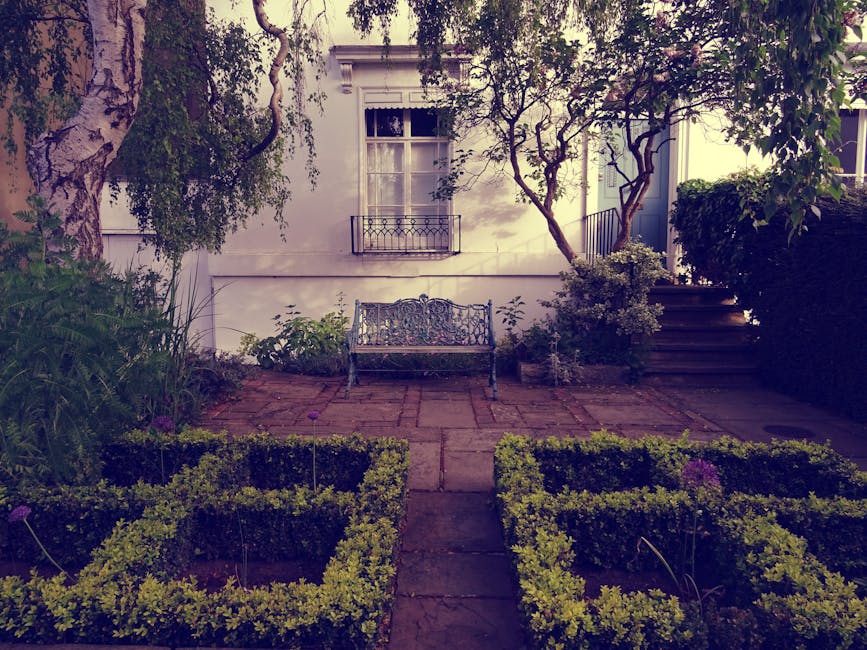
If you live on or near Montpelier Row in Blackheath, you already know the charm of a terrace garden: enclosed, characterful, and a little bit demanding. Space is precious, sunlight can be patchy, access is often tight, and every square metre has to earn its keep. That is exactly why a thoughtful Montpelier Row Blackheath gardeners terrace garden makeover guide matters. Done well, a terrace garden becomes more than a narrow outdoor strip. It becomes a calm sitting area, a planting space, a practical route, and a proper extension of the home.
This guide walks through what a makeover involves, why it works so well in Blackheath-style terraces, how to plan it without wasting money, and what to watch out for before you start lifting paving or buying containers by the dozen. Truth be told, terrace gardens can look effortless when they are anything but. But with the right approach, they become easy to live with, not just nice to look at.
Why Montpelier Row Blackheath gardeners terrace garden makeover guide Matters
Terrace gardens in Blackheath tend to share a few traits: they are compact, overlooked, often shaded by neighbouring buildings or boundary walls, and shaped more by architecture than by the gardener's imagination. That can sound limiting, but it is also the opportunity. A terrace makeover is not about forcing a large-garden look into a small plot. It is about making the space suit the way you actually live.
A good makeover can solve problems that build up quietly over time. Maybe the garden feels dark and damp after winter. Maybe the paving is cracked and uneven. Maybe the planting has become a thicket of self-seeded shrubs and tired pots. Or maybe the whole space just feels a bit forgotten, which happens more often than people admit. A well-planned redesign brings order back, and that usually makes the garden feel bigger as well.
For homes around Montpelier Row, the visual relationship between house and garden matters too. Terrace gardens are often seen from kitchen windows, rear doors, and upper floors, so the layout needs to work from multiple angles. A makeover that looks good only from one seat is not enough. You want a space that reads well in motion, in drizzle, in low winter light, and on a bright July evening when everything suddenly looks more hopeful.
If you are bringing in help, it is worth starting from the broader service picture rather than one task at a time. A planned approach that draws on landscape gardening and wider landscaping services usually gives better long-term results than a series of disconnected fixes. That sounds obvious, but it is the bit people miss.
How Montpelier Row Blackheath gardeners terrace garden makeover guide Works
A terrace garden makeover normally starts with a clear reading of the site. Not a quick glance. A proper look. Where does the sun fall in spring, summer, and early autumn? Where does water collect after rain? Which walls are dry and hot, and which stay cool and shaded? What parts of the garden are seen most often from inside the house? These small details shape every decision that follows.
From there, the process usually moves through five practical layers:
- Clearing and assessment - removing clutter, old pots, dead growth, and anything blocking access.
- Structure - deciding whether the garden needs hardstanding, edging, steps, screens, or a decked zone.
- Planting plan - choosing plants that suit light levels, shelter, and maintenance tolerance.
- Function - defining where you will sit, store tools, grow herbs, or move through the space.
- Aftercare - setting up a maintenance rhythm so the design holds together.
In many terrace gardens, the hard landscaping is what makes the biggest visible difference. A tired path or awkward patio can make the whole space feel compromised. If you need a sitting area or a cleaner transition from house to garden, a modest deck or paved platform may be more practical than trying to work around patchy ground. That is one reason some homeowners explore decking services as part of the makeover.
At the same time, if the garden has become overgrown or packed with old materials, the first sensible move is often clearance. It is much easier to make good decisions once you can actually see the bones of the space. A proper garden clearance clears the clutter, the awkward corners, and the stuff you have been meaning to deal with for far too long. We have all had that one corner, haven't we?
Key Benefits and Practical Advantages
The best terrace makeovers are not just prettier. They make life easier. That is the real win.
- Better use of limited space - a planned layout makes a small garden feel purposeful instead of cramped.
- Improved light and flow - lighter surfaces, clearer lines, and smarter planting can lift a gloomy plot.
- Lower day-to-day effort - if you get the structure right, routine upkeep becomes much simpler.
- More privacy - screening, hedging, and planting can soften overlooking without making the garden feel boxed in.
- Stronger connection to the house - a terrace garden should feel like part of the home, not a separate afterthought.
- Better year-round appearance - evergreen structure, winter texture, and tidy hard surfaces keep the space presentable in all seasons.
There is also a quiet emotional benefit that people often underestimate. A neat, usable garden changes how the house feels at the end of the day. You notice it on a damp March evening, when the back door opens onto something calm instead of chaos. That matters more than it sounds.
Regular upkeep supports those gains. Once the makeover is in place, a sensible schedule of garden maintenance, selective hedge trimming, and simple tidying keeps the design honest. No one wants to spend on a transformation only to watch it slide back into neglect by the next autumn.
Who This Is For and When It Makes Sense
This guide is for homeowners, landlords, and property managers who want a terrace garden that looks cared for and functions well in a real Blackheath setting. It is especially useful if you have one or more of these situations:
- The garden is small and awkwardly shaped.
- The space is heavily shaded or only partly sunny.
- The ground is uneven, broken, or waterlogged in places.
- You want a cleaner, more modern look without losing character.
- You need privacy from neighbouring windows or upper floors.
- You are trying to cut down on maintenance without stripping out all the greenery.
It also makes sense if you are preparing to sell or let the property. A terrace garden can influence first impressions more than people expect, especially when the rest of the house already has strong period charm. Buyers and tenants often read the garden as a sign of how the property has been looked after overall.
On the other hand, if the garden is essentially functioning fine and just needs a seasonal tidy, a full redesign may be overkill. Sometimes a sharper mowing routine, a reset of beds, and a few selective upgrades are enough. In that case, lawn mowing and lighter-touch improvement may deliver the best value. Not every garden needs a dramatic before-and-after moment. Sometimes, less fuss is the cleverer choice.
Step-by-Step Guidance
If you want the makeover to feel calm rather than chaotic, follow a sensible sequence. People often jump straight to choosing plants, then discover the drainage is wrong, the access is tight, or the layout makes no sense. That is a classic, and avoidable.
1. Start with a proper site review
Stand in the garden at different times of day. Morning light, mid-afternoon shade, evening sun if you get it. Notice where the wind funnels, where rain splashes off walls, and where soil stays wet. If there is a narrow passage or awkward step, that matters too. A terrace garden lives or dies by the details.
2. Decide what the garden must do
Be honest. Do you need a sitting area? A safe route for children or pets? A place for herbs and pots? Storage for bins or tools? Too many terrace gardens try to do everything. The better ones choose one or two strong functions and support them properly.
3. Clear the space back to basics
Strip out what is dead, broken, rotting, or simply in the wrong place. This includes old containers, unstable edging, and oversized shrubs that crowd the space. If the garden is deeply overgrown, clearing it early helps you see where the real opportunities are. That is often where the redesign starts to make sense.
4. Fix the hard structure first
Before thinking about colour and planting mood boards, decide on the bones of the garden: paths, steps, seats, screens, levels, and surfaces. A terrace garden with good structure feels instantly more coherent. If you need a place to walk, sit, or entertain, hard landscaping should usually come before ornamental detail.
5. Choose planting for conditions, not fantasy
This is where people get tempted by glossy labels and weekend optimism. Don't. Select plants that match the reality of the site. Shade-loving plants for darker spots, drought-tolerant plants near reflective walls, and compact varieties where width is limited. Good planting should look good and survive the weather patterns you actually get.
6. Build in maintenance from the start
If the plan relies on constant fussing, it probably will not last. Choose finishes and plants you can reasonably keep on top of. A terrace garden makeover should reduce stress, not create a new hobby with admin attached.
7. Add the finishing touches
Once the main works are done, layer in the things that make the garden feel lived in: pots with texture, a bench, low lighting if appropriate, and perhaps one or two focal points. Don't overdo it. A handful of well-chosen features beats a cluttered display every time.
Expert Tips for Better Results
Here are the things that tend to separate a decent terrace garden from one that feels quietly excellent.
- Use repetition carefully. Repeating one or two container styles or planting shapes can calm a small space and make it feel more deliberate.
- Think vertically. In a terrace garden, walls are not dead space. Trellis, climbers, wall planters, and slim screening can add depth without eating the floor area.
- Keep edges crisp. Neat boundaries make small spaces look bigger. Sloppy edges do the opposite. Painfully so, sometimes.
- Choose lighter materials where possible. Pale paving, lighter gravel, or warm-toned timber can help reflect light in darker gardens.
- Leave breathing room. A garden does not need every corner filled. A little open space lets the eye rest.
- Plan for winter. If the garden only looks good in June, it is not finished yet.
One useful practical observation: in many small London gardens, restraint is what makes the design feel premium. You will notice this as soon as you stop trying to hide every wall and every boundary. A strong outline, a few carefully chosen plants, and a clean surface can do more than layers of extras. A bit of confidence goes a long way.
If you are dealing with a tree that is overwhelming the plot or blocking too much light, it is better to assess that early rather than design around the problem. In some cases, tree lopping and removal may be part of creating the right balance, but this should always be handled carefully and with an eye on the long-term shape of the garden.
Common Mistakes to Avoid
Most terrace garden mistakes come from rushing, overfilling, or ignoring how the space is actually used.
- Choosing plants before solving the layout. This is the big one. Pretty plants cannot fix a bad layout.
- Using too many materials. Three or four surface types in a small plot can feel busy very quickly.
- Ignoring drainage. Even a stylish terrace garden can become a nuisance if water pools where people walk or sit.
- Going too hard on privacy screens. You want shelter, not a garden that feels shut in.
- Picking high-maintenance features by accident. Boxy topiary, delicate planting, and fussy ornaments may look lovely, but they all need care.
- Underestimating access. If materials have to be carried through the house or down a tight side return, that affects cost and timing.
Another common one: people assume a makeover means removing all older features. Not necessarily. Some old brickwork, a mature climber, or a weathered wall can add character if it is structurally sound. Let's face it, the charm of Blackheath is often in the mix of old and new, not in making everything look like a showroom.
Tools, Resources and Recommendations
You do not need a van full of specialist gear to improve a terrace garden, but a few essentials make the work smoother and safer.
- Basic hand tools for cutting back, lifting, edging, and replanting.
- Waste bags or garden sacks for the stuff that needs removing in stages.
- A tape measure and notebook for mapping widths, lengths, and awkward corners.
- A hose or watering can to check how water moves through the space.
- Gloves, sturdy footwear, and eye protection where cutting or clearance work is involved.
- Containers or temporary storage if you are replacing surfaces or reworking bed lines.
For homeowners who want support from planning through to ongoing care, it often helps to look at the full set of services rather than a single job in isolation. The broader services overview gives a useful sense of how tasks fit together, while pricing and quotes can help you understand how scope affects cost. If you prefer to keep the garden looking good after the makeover, routine maintenance is usually the most sensible next step.
And if your garden has a lot of debris or old material built up over time, do not underestimate the value of a clean start. It is boring work, yes, but the sort of boring work that makes the nice part possible.
Law, Compliance, Standards, or Best Practice
Garden makeovers in London are usually straightforward, but there are still a few good-practice points worth keeping in mind. If a terrace garden sits within a shared boundary arrangement, leasehold setup, conservation area, or near protected trees, it is sensible to check what permissions or restrictions apply before making substantial changes. That is not fear-mongering; it is just careful planning.
If tree work is involved, especially anything beyond simple pruning, it should be approached cautiously and with proper regard for safety and the condition of the tree. Likewise, hard landscaping should be installed with care so that surfaces are stable, drainage is considered, and trip hazards are minimised. In practical terms, that means sensible detailing, tidy edges, and materials that suit the site.
For service providers, good practice also includes clear communication, transparent pricing, and safe working habits. You can review the company's approach through pages such as insurance and safety and the health and safety policy. These are the sorts of things that matter when tools, access routes, and heavier materials are involved. Nobody wants shortcuts where ladders, blades, or broken paving are in play.
It is also worth knowing how disputes or privacy matters are handled. If you are considering a contractor, checking the complaints procedure and privacy policy can give you a better feel for how professionally they operate. Not glamorous reading, admittedly, but useful.
Options, Methods, or Comparison Table
There is no single best way to makeover a terrace garden. The right method depends on budget, access, style, and how much maintenance you want to carry.
| Approach | Best for | Advantages | Trade-offs |
|---|---|---|---|
| Light refresh | Gardens that are mostly usable already | Quick, lower cost, minimal disruption | Limited impact on layout or structure |
| Plant-led makeover | Spaces with good hard surfaces but weak planting | Softens boundaries, adds colour and seasonal interest | May still feel unresolved if layout is poor |
| Hard landscaping-led redesign | Uneven, awkward, or very tired terrace gardens | Biggest change in function and finish | More planning, usually more disruption |
| Maintenance-first recovery | Overgrown gardens that need steady improvement | Practical, staged, and easier to budget | Slower visual transformation |
If you are undecided, a staged approach is often the most sensible. Clear the space, sort the structure, then plant. It sounds almost too simple, but that sequence saves a surprising amount of money and regret.
Case Study or Real-World Example
Imagine a typical terrace garden behind a Blackheath house: narrow, a little shaded, with old pots lining the fence, a patchy paved area, and a border that has turned into a tangle of half-lost shrubs. The owners want somewhere to sit with coffee in the morning and a garden that does not feel like a chore every Sunday.
The first step is clearance. Once the clutter and overgrowth are removed, the shape of the garden becomes clearer. A small, level seating area is retained near the house, while the back section is simplified into planting with one strong evergreen backbone and a few seasonal fillers. The fence line is softened with climbing plants and a slim support system, and the busiest walk-through line is kept open. Nothing fancy. Just calm and usable.
What changes most is not the amount of planting. It is the clarity. The garden stops asking questions every time the back door opens. Where do I stand? What is this space for? How do I walk through it? Those questions have answers now.
That kind of makeover is exactly where experienced teams who understand both design and upkeep can help. A well-run project might combine site planning, careful clear-out work, light structural improvements, and a maintenance plan so the space continues to hold together. If you are looking into who to work with, the about us page is a useful place to understand the approach and values behind the service.
Practical Checklist
Before you begin, run through this checklist. It keeps enthusiasm from running away with itself.
- Measure the space and note the narrowest access points.
- Observe sun, shade, wind, and drainage after rainfall.
- Decide the garden's main function: sitting, planting, circulation, or a mix.
- Remove waste, dead growth, and broken fixtures.
- Identify any structural issues with paving, steps, walls, or fencing.
- Choose a limited palette of materials to keep the design coherent.
- Match plants to the actual light and moisture conditions.
- Plan how the garden will be maintained after the makeover.
- Check whether any tree work, shared boundary issues, or leasehold considerations apply.
- Confirm scope, timing, and budget before work begins.
Quick summary: if you get the layout, structure, and maintenance right, the planting becomes much easier. That is the real trick. The rest is detail, and detail can be sorted.
If you are ready to move from planning to action, a conversation with a local team can save a lot of trial and error. You can start by reviewing the available garden clearance and landscape gardening options, then decide what level of support makes sense for your terrace and your budget.
Conclusion
A terrace garden makeover on Montpelier Row or anywhere in Blackheath is really about creating a small outdoor space that feels composed, useful, and easy to enjoy. When you respect the limits of the site instead of fighting them, the garden becomes much more rewarding. A smart layout, a practical planting plan, and steady aftercare usually beat dramatic but fragile ideas every time.
The best results come from a calm process: clear the clutter, shape the space, choose materials and plants that suit the conditions, then protect the result with sensible maintenance. That may not sound dramatic on paper, but in real life it changes how the whole home feels. And that is worth a lot.
Get a free quote today and see how much you can save.
Sometimes the smallest gardens end up giving the biggest sense of relief. Funny how that works.
Frequently Asked Questions
What is a terrace garden makeover?
A terrace garden makeover is a planned improvement of a small or narrow outdoor space, usually focusing on layout, hard surfaces, planting, privacy, and ease of maintenance. The aim is to make the garden look better and work better.
Why are terrace gardens in Blackheath tricky to design?
They are often compact, overlooked, shaded, and shaped by existing walls or rear extensions. That means every choice has to earn its place, from paving to planting. There is not much room for guessing.
Do I need a full redesign, or just a tidy-up?
If the structure is sound and the garden is basically functional, a tidy-up and some selective improvements may be enough. If the space feels awkward, overgrown, or hard to use, a fuller redesign is usually more worthwhile.
What should come first in a terrace garden makeover?
Start with a site review, then clear the space and sort the hard structure before choosing plants. Layout and access matter more than most people expect. Plants are easier once the bones are right.
How do I make a small terrace garden feel bigger?
Use fewer materials, keep lines clean, maintain some open space, and choose planting that adds depth without clutter. Vertical features such as climbers or slim screening can help too.
Can I keep mature plants during the makeover?
Often, yes. If a mature plant is healthy and suits the new layout, it can add instant structure and character. But if it blocks light, crowds the space, or is unhealthy, it may be better to replace it.
How much maintenance should I expect after the makeover?
That depends on the planting style and finishes you choose. A well-planned terrace garden should be manageable with regular light maintenance rather than constant intervention. If a design looks beautiful but needs daily attention, think twice.
Is decking a good idea for a terrace garden?
It can be, especially if you want a level seating area or a cleaner transition from the house into the garden. The key is to make sure it suits the space, the drainage, and the overall style.
What if my terrace garden is very shaded?
Shaded gardens can still look excellent. The trick is to use plants that tolerate lower light and to avoid overcomplicating the design. Dark spaces often benefit from lighter surfaces and strong structural planting.
Do I need to worry about tree work or permissions?
If the makeover involves significant tree work, or if the property has shared boundaries, leasehold conditions, or conservation-related constraints, it is sensible to check before work begins. A cautious approach saves headaches later.
How do I choose between planting-led and landscaping-led changes?
If the garden already has good structure, planting-led changes may be enough. If the surfaces, levels, or layout are the main problem, landscaping-led work usually delivers better value. Most gardens need a bit of both, honestly.
Where can I find support for ongoing garden care?
Ongoing support is usually easiest when you use a team that can handle both the makeover and the follow-up care. A mix of garden maintenance, seasonal pruning, and occasional refresh work keeps the design looking intentional rather than neglected.