SE3 gardeners quick garden tidy for Blackheath Station homes
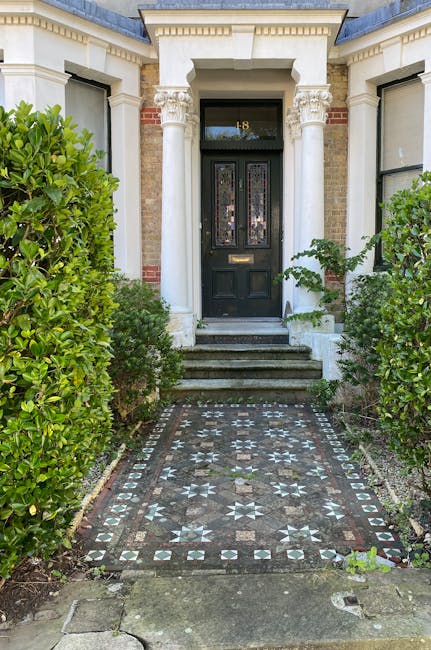
If your garden has slipped into the "I'll deal with it at the weekend" category, you are not alone. For homes near Blackheath Station, life tends to move quickly: school runs, commuting, visitors, deliveries, and the usual London stop-start pace. That is exactly where SE3 gardeners quick garden tidy for Blackheath Station homes makes sense. It is a focused, efficient way to bring a garden back to order without turning it into a full redesign project.
In practical terms, a quick tidy is about restoring control. It clears the visual clutter, removes the obvious mess, lifts the edges, and makes outdoor space feel cared for again. Not perfect, not overworked, just properly sorted. And truth be told, that is often enough to transform how a home feels from the back door out.
In this guide, you will learn what a quick garden tidy really involves, how it works, what good results look like, when it is the right choice, and how to avoid the common mistakes that make tidy-up jobs take longer than they should.
Why SE3 gardeners quick garden tidy for Blackheath Station homes Matters
A garden near Blackheath Station often has a very specific kind of pressure on it. It may be small and neat one month, then suddenly overrun by leaf fall, weeds, and a lawn that has gone a bit shaggy after a few damp weeks. London gardens do that. They rarely stay still for long.
A quick tidy matters because outdoor space affects the whole property, even if you barely use it during the week. Overgrown borders, untamed hedges, muddy paths, and scattered cuttings make a home feel unfinished. By contrast, a tidy garden gives the sense that someone is on top of things. It makes a front or rear garden feel safer, calmer, and more inviting. Sometimes it is the difference between enjoying the space and avoiding it altogether.
For station-area homes especially, there is often a practical need for speed. You may want the garden ready before guests arrive, before a tenancy change, before a photoshoot, or simply before you get the chance to forget about it for another month. A quick tidy is not about grand ambition. It is about solving the visible problems fast and well.
There is also a maintenance angle here. Small jobs ignored too long become bigger jobs. A fast leaf clear-up now is easier than a soggy, compressed mat of debris later. A hedge trimmed lightly and regularly is far less troublesome than a hedge that needs heavy reduction. That is one of those boring truths that garden work keeps teaching us.
If you want a broader sense of what coordinated upkeep can cover, take a look at garden maintenance and the wider services overview to see how tidy work fits into longer-term care.
How SE3 gardeners quick garden tidy for Blackheath Station homes Works
A good quick tidy follows a simple sequence. It should feel efficient, not rushed. The aim is to tackle the obvious visual and functional issues first, then leave the garden in a state that is easy to keep going with.
Here is how it usually works in practice:
- Initial walk-through: The gardener looks at what needs attention right away. That might include weeds, litter, fallen branches, long grass, overhanging growth, or a build-up of leaves.
- Priority setting: The highest-impact tasks are handled first. Often that means mowing, edging, hedge trimming, and clearing debris.
- Cut-back and tidy work: Light pruning, border neatening, sweeping, and general straightening make the space feel ordered again.
- Waste collection: Green waste is bagged or gathered for removal, so the garden does not just shift from messy to half-messy. That little detail matters more than people think.
- Final check: The last pass catches missed bits: stray stems, loose cuttings, uneven edges, or anything hanging awkwardly over paths or fences.
That process can be adapted depending on season, garden size, and access. A compact courtyard near the station may need a different approach from a larger family garden a few streets away. But the principle stays the same: focus on the biggest visual wins first.
In many cases, a quick tidy is paired with a simple follow-up plan. For example, a one-off visit to get things under control, then periodic lawn mowing or hedge trimming to stop the garden from bouncing back into chaos. That is the sensible way to do it, really.
Key Benefits and Practical Advantages
The most obvious benefit is that the garden looks better. But the practical value goes further than appearances. A quick tidy can reduce trip hazards, improve access to paths and doors, and make everyday use less irritating. You will notice it when you step outside and are not immediately greeted by a tangle of stems or a patchy, scruffy lawn.
There are also emotional benefits. A neat garden can feel oddly restorative after a busy day. You open the back door, see a clean line along the edge of the lawn, and the space just feels usable again. That sounds small, but it changes how people relate to a home.
Other clear advantages include:
- Faster turnaround: Ideal when time is short and presentation matters.
- Better first impressions: Helpful for guests, buyers, tenants, landlords, or Airbnb-style turnover.
- Easier ongoing upkeep: Tidying resets the baseline, so future work is simpler.
- Less stress: The garden stops feeling like a project hanging over you.
- Cleaner boundaries and edges: These small details make the whole space look sharper.
There is a nice side effect too: once a garden is clear and visible again, people usually make better decisions about it. They can see what is worth keeping, what needs removing, and what can wait. A messy garden tends to hide problems. A tidy one tells the truth.
Practical takeaway: A quick garden tidy is not a luxury add-on. For many Blackheath Station homes, it is the fastest route from "out of control" back to "pleasant and manageable."
Who This Is For and When It Makes Sense
This type of service suits a wide range of households. It is not just for people who have let things go. Sometimes life simply gets busy, and the garden is the first thing to slip.
You may benefit from a quick tidy if you are:
- a homeowner preparing for visitors or family events
- a landlord between tenancies
- a busy commuter who does not have much weekday daylight to spare
- a parent trying to keep outdoor space safe and presentable
- someone returning from holiday to find the garden has had its own little adventure
- a seller who wants the property to photograph better and look cared for
- an older resident who wants the job done safely and efficiently
It also makes sense after bad weather. A windy spell can scatter leaves, break small branches, and leave everything looking a bit defeated. After a wet week, lawn edges and borders can appear more unruly than they really are. That is normal. A tidy-up just resets the scene.
If the garden has more serious issues, such as heavy overgrowth or accumulated rubbish, then a more intensive garden clearance may be the better route. The key is matching the job to the problem. No point asking for a small tidy if the space needs a proper clear-out. That just wastes everyone's time.
Step-by-Step Guidance
If you want to understand what a professional tidy should include, it helps to break the job down into manageable steps. This is where standards matter. A proper tidy is not just "a bit of sweeping." It should leave the garden visibly improved and physically easier to maintain.
1. Start with a quick assessment
Walk the space and identify the urgent jobs. Look for weeds, long grass, overgrown hedges, fallen debris, blocked access routes, dead plant material, and anything that looks untidy from the house or the street.
2. Clear loose waste first
Remove litter, broken twigs, empty pots, dead leaves, and any obvious debris. This makes the garden safer to work in and gives an immediate visual lift. You would be surprised how much difference this makes in the first five minutes.
3. Tackle the lawn or main surface area
If the lawn is the dominant feature, mowing it early creates structure. A neat cut gives the rest of the garden a cleaner frame. If the garden has paving or gravel rather than grass, sweeping and edging may be more important than mowing.
4. Shape the edges
Edges are one of the biggest difference-makers. Clean lawn lines, defined borders, and trimmed overhangs make the garden feel intentional rather than neglected. A line that looks crisp at the edge can carry the whole job, to be fair.
5. Cut back intrusive growth
Light hedge work, snipping back straggly branches, and trimming anything encroaching on paths or windows helps restore order. For more substantial work, the right tree lopping and removal service may be needed, but only where it is genuinely appropriate and safe.
6. Sweep, bag, and remove cuttings
A tidy is not finished until the waste is under control. Cuttings left in piles can make the garden look half-done. Proper bagging or removal is part of the job, not an optional extra.
7. Final visual pass
Stand back and look at the garden from the angles you actually use: kitchen door, patio, rear window, side access, or front step. This last check is where the "almost done" jobs get caught. It is also where good work becomes genuinely tidy.
Expert Tips for Better Results
After enough tidy-up visits, a few patterns become obvious. The best results usually come from simple decisions made early. Nothing glamorous. Just smart work.
Tip 1: Work from the biggest visual disruption outward. If the lawn is the first thing people see, sort that first. If the hedge is overhanging the path, deal with access before borders. Think in terms of impact, not just order.
Tip 2: Do not overcut plants that are only slightly out of shape. A light trim now is often better than a harsh cut. Plants recover better, and the garden looks softer and more natural.
Tip 3: Keep a bin or bag station nearby. Small efficiencies matter. If you do not keep collecting waste as you go, the job starts to sprawl. And nobody wants to rake the same leaves twice. Life is too short.
Tip 4: Leave some structure behind. A quick tidy should not strip the garden bare. You want order, yes, but also shape, texture, and a sense that the space still belongs to the home.
Tip 5: Ask for maintenance advice while the garden is fresh. Once the space is visible again, it is much easier to decide what should happen next. Maybe monthly mowing, maybe seasonal hedge trimming, maybe a more planned approach through landscape gardening if you want the space improved over time.
A small note from real life: gardens near transport links often gather more general debris than people expect. Wind, foot traffic, and limited time all play their part. So, yes, the tidy looks simple from the outside. The neat result is usually doing a lot of invisible work behind the scenes.
Common Mistakes to Avoid
The most common mistake is trying to do too much at once. A quick tidy has a purpose. If you drift into redesign mode, the job can double in length before you realise it. Then you are standing there with pruning shears in one hand and a half-finished plan in the other. Not ideal.
Other mistakes include:
- Ignoring the edges: Messy edges make everything else look worse.
- Leaving green waste behind: Even a tidy garden feels unfinished if the cuttings are still sitting there.
- Cutting without a clear priority: Random trimming often creates more work.
- Overlooking access routes: Paths, gates, and side passages are part of the tidy too.
- Using the wrong tools: Too small, too blunt, or too heavy for the task and the whole process slows down.
Another subtle mistake is underestimating the weather. A dry, bright morning and a damp late afternoon are not the same working conditions at all. Wet surfaces make sweeping less effective and can leave debris clinging to paving or lawn. That is one reason experienced gardeners adapt their method as they go rather than forcing a fixed plan.
Finally, do not assume every untidy garden needs a major overhaul. Sometimes it just needs a reset. Sometimes less is more. A neat, grounded tidy can be better than a dramatic intervention.
Tools, Resources and Recommendations
For a quick tidy, the right tools matter more than fancy kit. A practical setup keeps the work moving and avoids damage to plants, surfaces, or your patience.
Useful tools often include:
- sharp secateurs for light pruning
- hedge trimmers for clean, even shaping
- a lawn mower suitable for the grass length
- gloves and sturdy footwear
- rakes and stiff brooms
- waste bags or garden sacks
- a hand trowel for light weeding
- loppers for thicker stems, used carefully
For many homeowners, though, the bigger question is not the tool list but the outcome. A tidy garden should be easier to maintain next week than it was this week. That is where good planning beats brute force. If a space keeps getting messy in the same areas, think about whether it needs better layout, drainage, or access. That is where landscaping or a more strategic approach can help later on.
Where decking or hard surfaces are part of the garden, a tidy may need attention beyond the planting areas. In those cases, a service such as decking services can be relevant if boards, steps, or surrounding details are looking worn, slippery, or tired.
If you are comparing options or want a clearer idea of scope, reviewing pricing and quotes alongside the service pages can help you understand what is included and what may be extra. That sort of clarity avoids awkward assumptions later.
Law, Compliance, Standards, and Best Practice
For a straightforward tidy-up, there usually is not much in the way of complex legal detail. Still, good practice matters. In the UK, waste should be handled responsibly, tools should be used safely, and any work that creates risk should be approached carefully. That is especially true where ladders, sharp tools, power equipment, or large branches are involved.
For homeowners, the sensible standard is simple: keep pathways clear, avoid blocking access, and make sure garden waste is not left where it could cause nuisance or trip hazards. If a tree or large branch looks unstable, it should not be treated like a casual trim. That is where professional judgement matters.
It is also worth checking that any gardener you use follows sensible insurance and safety practices. Ask how they handle waste, what happens if access is awkward, and whether they work with the right equipment for the size of the task. A trustworthy provider should be comfortable discussing that. No drama, just clarity.
Useful trust signals include:
- clear descriptions of service scope
- transparent payment terms
- safe working methods
- appropriate public liability cover
- proper waste handling and disposal practices
You can also review company policies such as insurance and safety, health and safety policy, and recycling and sustainability if you want to understand how a provider approaches responsible working. Those pages are often more useful than people expect.
Options, Methods, and Comparison Table
Not every garden problem needs the same solution. A quick tidy sits between occasional self-maintenance and a full garden project. The best choice depends on time, condition, and what you want the garden to do for you right now.
| Option | Best for | Typical scope | Best advantage |
|---|---|---|---|
| DIY quick tidy | Very small jobs and light upkeep | Sweeping, basic weeding, simple cutting back | Low cost if you already have the time and tools |
| Professional quick tidy | Busy households and immediate presentation needs | Mowing, edging, pruning, debris removal | Fast, neat, and less stressful |
| Regular maintenance visit | Gardens that keep slipping back | Scheduled mowing, trimming, seasonal attention | Prevents the garden becoming a big job again |
| Clearance or reset | Overgrown or neglected gardens | Heavier cutting, waste removal, reclaiming access | Gets the space usable again |
Here is the simple rule of thumb: if you can still see the shape of the garden and just need it sharpened up, a quick tidy is probably enough. If you cannot easily walk through it, or the plants have merged into a bit of a green wall, then a fuller intervention may be wiser.
Case Study or Real-World Example
Picture a typical Blackheath Station home with a modest rear garden. The family has been busy for weeks. One hedge has started leaning into the path, the lawn has grown long after a run of wet weather, and the borders have a patchy scatter of leaves and faded stems. Nothing dramatic. Just enough mess to make the space feel ignored.
A quick tidy in that situation usually starts with clearing the paths and the lawn, because those are the parts people notice first. Then the hedge is lightly brought back, the border edges are straightened, and the waste is removed in one go. By the end, the garden is still the same garden, but it feels cared for again. The family can use it without that little internal sigh you get when stepping outside and thinking, "oh, this needs doing."
That is the thing with good tidy work. It does not need to be flashy. It just needs to make the space work again. A neighbour might not even be able to say exactly what changed. They just notice that it looks better. And that usually means it has been done properly.
Practical Checklist
Use this quick checklist before or during a tidy-up visit. It keeps the job focused and saves backtracking later.
- Clear loose litter, fallen twigs, and dead leaves
- Identify the most visible problem areas first
- Mow or neaten the lawn if it is part of the space
- Trim hedges or overhanging growth lightly and evenly
- Remove weeds from borders, paths, and steps
- Sweep hard surfaces thoroughly
- Bag and remove all cuttings and green waste
- Check gate access, side paths, and rear corners
- Stand back and inspect the garden from the house
- Note what should be maintained next month
Quick reminder: If the garden still looks tidy after a week, the job was probably done well. That is the real test, not how it looks in the first photograph.
Conclusion
A well-executed quick garden tidy is one of the simplest ways to improve a Blackheath Station home without committing to a major project. It restores order, reduces stress, and makes outdoor space usable again. More importantly, it gives you a clean starting point for whatever comes next, whether that is regular upkeep, seasonal trimming, or a bigger redesign later on.
For busy SE3 households, that matters. A tidy garden is easier to enjoy, easier to maintain, and easier to feel proud of. And honestly, that little sense of relief when you step outside and everything looks under control? Hard to beat.
If you are ready to turn a scruffy outdoor space into something calm and presentable, take the next step with a team that understands practical, local garden care.
Get a free quote today and see how much you can save.
Frequently Asked Questions
What does a quick garden tidy usually include?
It usually includes mowing, edging, light pruning, weed removal, sweeping, debris collection, and making the garden look neat rather than overworked. The exact scope depends on what the space needs most.
How is a quick tidy different from garden clearance?
A quick tidy is for presenting and maintaining a garden that is still broadly in good shape. Garden clearance is for heavier, more neglected, or overgrown spaces that need a bigger reset.
How long does a quick garden tidy take?
It depends on garden size and condition. A small, accessible garden can be turned around fairly quickly, while a larger or more cluttered space naturally takes longer. The important thing is the finish, not racing through it.
Is a quick garden tidy suitable for rental properties?
Yes, very often. It is useful between tenancies, before inspections, or when a rental needs to look cared for without major investment. It is one of the most practical maintenance jobs around.
Can a tidy include hedge trimming and mowing?
Absolutely. In fact, those are two of the most common tasks in a quick tidy because they create the biggest visual improvement. Many jobs also pair well with lawn mowing and hedge trimming.
What if my garden is too overgrown for a tidy?
Then a fuller service may be better. If the space has lost its basic shape, a garden clearance is often the more realistic starting point. It is better to choose the right level of work than to force a mismatch.
Do I need to be home during the job?
Not always, but many people prefer to be available at the start to confirm access and priorities. A quick handover helps the work go smoothly, especially if the garden has tricky gates, pets, or shared access.
Will the waste be removed afterwards?
It should be, unless the arrangement is specifically to leave it on-site. Proper waste removal is part of what makes the garden feel genuinely tidy rather than merely rearranged.
Is a quick tidy worth it before selling a home?
Yes. A neat garden improves presentation and helps buyers focus on the property rather than the mess. You do not need a grand landscape. You need a space that looks cared for.
How often should a garden near Blackheath Station be tidied?
That depends on size, planting, and how much use the garden gets. Busy family gardens often benefit from regular maintenance, while smaller spaces may only need occasional attention plus seasonal check-ins.
What should I ask before booking a gardener?
Ask what is included, how waste is handled, whether insurance and safety procedures are in place, and how they approach access or awkward areas. Clear answers usually mean you are dealing with a professional setup.
Can a tidy help if I only have a patio or small courtyard?
Yes, and sometimes it helps even more because small spaces show clutter quickly. Sweeping, pot arrangement, weed control, and light trimming can make a compact outdoor area feel much larger and calmer.
What is the best next step if I want ongoing upkeep as well?
Look at a maintenance plan rather than treating every visit as a fresh rescue mission. Regular care keeps the garden from swinging between neat and messy, which is easier on both the space and your weekends.