What to know before hiring gardeners in Blackheath SE3
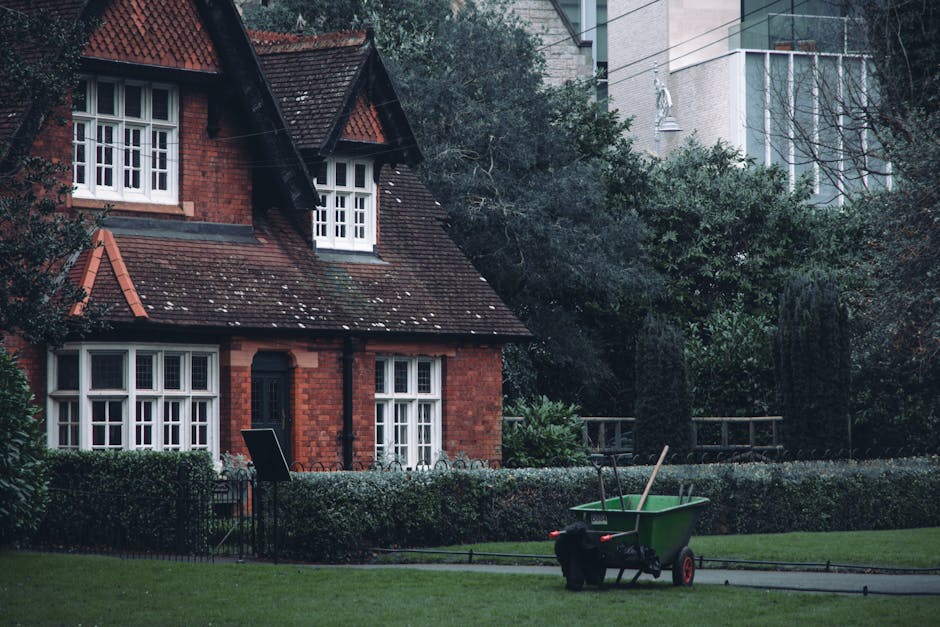
If you are thinking about bringing in a gardener in Blackheath SE3, you probably want more than someone who just turns up with a mower and a rake. You want tidy edges, healthy planting, a garden that actually feels manageable, and a person who understands local conditions too. That is the real point of what to know before hiring gardeners in Blackheath SE3: making a sensible choice before you hand over the keys to your outdoor space.
Truth be told, hiring the wrong person can be a bit of a faff. Missed visits, patchy work, unclear pricing, and that awkward moment when you realise the hedge was cut in a way you never wanted. The good news? With a few practical checks, you can avoid most of that and end up with a garden that suits your home, your routine, and the way you actually live.
This guide walks through the questions worth asking, the services to compare, the common mistakes to dodge, and the small details that matter in Blackheath SE3. If you are deciding whether you need one-off help or regular care, you will find plenty here to help you choose well.
Why What to know before hiring gardeners in Blackheath SE3 Matters
Blackheath has its own feel. Mature trees, period homes, village-style streets, pockets of shade, and gardens that can be both beautiful and slightly demanding. In some plots, soil can be dry and rooty. In others, there is heavy shade from nearby planting or neighbouring structures. That means a gardener who understands the local setting is often more useful than someone who only offers generic garden help.
Hiring well matters because the right approach can save time, money, and frustration. A good gardener does not just "do the job". They notice what is happening in the garden. Is the lawn thin because of shade? Are the shrubs overcrowded? Has the border become a bit wild after winter? Those small observations make a big difference.
It also matters because garden work tends to build on itself. If pruning is done badly, the next season can be worse. If lawns are cut too short, weeds may get a better foothold. If clearance is rushed, waste can be left behind and the space never feels finished. To be fair, a tidy-looking result is only part of the story. Long-term care is what really counts.
For many homeowners, the biggest benefit is peace of mind. You know who is coming, what they will do, and what standard to expect. That simple clarity is worth quite a lot, especially if you have a busy week and no wish to spend Saturday wrestling brambles.
How What to know before hiring gardeners in Blackheath SE3 Works
In practical terms, hiring a gardener in Blackheath SE3 usually starts with an assessment. Sometimes this is a quick conversation over the phone or by message. Sometimes the gardener visits and looks at the garden in person. Either way, the aim is to understand the size of the space, the current condition, access, and what you want changed or maintained.
From there, the service is usually shaped around the job type. Some people need regular garden maintenance: lawn mowing, hedge trimming, weeding, edging, pruning, and seasonal tidy-ups. Others need a more substantial project such as garden clearance, landscaping, decking work, or a redesign of planting and layout.
In good practice, the process should feel straightforward. You explain the outcome you want. The gardener explains what is realistic, what it will involve, and how the work is priced. Then the work is carried out, waste is removed or managed, and the garden is left in a condition that makes sense for the season. Simple on paper, yes. But the details matter.
One thing people often miss is that gardens rarely improve by accident. A lawn needs repetition. Shrubs need timely pruning. Borders need observation. The best results usually come from a rhythm rather than a one-off burst of enthusiasm. A good local gardener will talk in those terms naturally, not just promise miracles after a single visit.
Key Benefits and Practical Advantages
Hiring a gardener is not only about keeping things neat. Done well, it gives you a garden that works better for your lifestyle and stays healthier over time.
- Better presentation: A tidy, well-kept garden immediately improves the look and feel of your home.
- Healthier planting: Correct pruning, feeding, and seasonal care can help plants recover and flourish.
- Less stress for you: You do not need to keep catching up with jobs you never quite have time for.
- Safer outdoor spaces: Overgrown paths, unstable branches, and messy waste can create avoidable hazards.
- Clearer priorities: A professional can help you decide what actually needs doing first, rather than tackling everything at once.
- Long-term savings: Preventive care often costs less than major rescue work later on. Not always, but often enough.
There is also a quieter benefit that people mention after the job is done: the space feels usable again. You notice birds more. The terrace catches the afternoon light. The smell of cut grass on a dry day in spring is a small thing, but it changes the mood of the whole house.
And yes, a well-kept garden can make entertaining easier, but it can also make ordinary life nicer. That is the bit people forget. You do not need a grand showpiece. You need a space that feels calm and workable.
Who This Is For and When It Makes Sense
This kind of service suits a surprisingly wide range of people. If your garden is becoming too much to keep on top of, you are already in the right group. But there are a few common situations where hiring a gardener makes especially good sense.
- Busy homeowners: If weekday jobs keep pushing garden tasks to the bottom of the list.
- Landlords and property managers: When kerb appeal and tenancy handovers matter.
- Older residents: If lifting, digging, climbing ladders, or repetitive maintenance is becoming less practical.
- New homeowners: When you have inherited a garden and are not sure where to start.
- Anyone planning a sale or rental: Because first impressions really do count.
- People with larger or mature gardens: Where maintenance becomes a steady, seasonal task rather than a quick weekend job.
It also makes sense if you have a specific project in mind. Maybe the hedge has got away from you. Maybe the lawn has patches and moss. Maybe the back garden is more "overgrown corner" than "relaxing space". That is where a decent gardener can bring order without making the whole thing feel over-managed.
Ask yourself a simple question: do you want a one-off reset, or ongoing help? That one answer shapes almost everything else.
Step-by-Step Guidance
If you want to hire with confidence, it helps to break the process into a few clear steps. Nothing fancy. Just a sensible order.
1. Decide what you actually need
Start with the real problem. Is it a lawn that needs regular mowing? A hedge that needs trimming a few times a year? A garden clearance after a long period of neglect? If you are vague, the quotes will be vague too. And vague quotes usually cause headaches later.
2. Walk the garden with fresh eyes
Take five minutes and look at the space as if you have never seen it before. What is overgrown? What is dead? What is patchy? What do you want to keep? A quick mental map helps you speak clearly when you get in touch.
3. Compare the service scope, not just the headline price
Two gardeners can quote the same amount for very different outcomes. One may include waste removal, pruning, edging, and disposal. The other may only do cutting and leave clippings behind. That difference matters more than people expect.
4. Ask how they price the work
Some jobs are priced by the hour, some by the visit, and some by the project. There is no single perfect method. What matters is whether the pricing is explained clearly enough for you to understand what you are paying for. If you feel you need a decoder ring, that is not ideal.
5. Check availability and routine
Regular maintenance works best when visits are consistent. If you need lawn mowing every two weeks in the growing season, ask whether that can actually be sustained. A great first visit is lovely. A reliable second and third visit is better.
6. Agree on access, waste, and finish
Will they need side access? Can they use your bins? Who handles green waste? What happens to clippings, branches, and bagged debris? Small logistics often cause the biggest frustration, especially if nobody mentions them at the start.
7. Set expectations before the first visit
Talk about the result you want. Tidy but natural? Hard-pruned and controlled? Wildlife-friendly but manageable? These details matter. A gardener may be skilled, but they still need direction about your preferences.
8. Review the work after the first session
Take a look once the job is complete. Does it match the brief? Are edges neat? Has anything been missed? You do not need to be fussy. You just need to be honest. A quick review early on can prevent a lot of awkwardness later.
Expert Tips for Better Results
There are a few practical habits that make a big difference when hiring gardeners in Blackheath SE3. Most of them are not dramatic. That is kind of the point.
- Choose a gardener who asks questions. Good questions usually mean good judgment. If they want to know about sun, shade, pets, parking, and access, that is a decent sign.
- Think in seasons. A garden that looks great in May may need a very different approach in October. Good garden care is seasonal, not static.
- Be honest about your budget. You do not need to overshare. But if you have a limit, say so. It helps shape practical options.
- Keep a simple record of what was done. A quick note on dates, hedge cuts, lawn treatments, or clearance work helps if you want to keep a rhythm.
- Use photos before and after. Handy for bigger jobs, especially if you want to compare results later. Also mildly satisfying, if we are honest.
- Ask about disposal early. Waste removal can be included, partially included, or separate. Better to know upfront than guess.
A small but useful tip: if you are unsure whether the garden needs maintenance or a bigger reset, ask the gardener to split the job into phases. For example, first clear and tidy, then maintain. That approach often feels more manageable and less expensive than trying to do everything at once.
Another one: if you have planting you care about, point it out. It sounds obvious, yet people forget. A gardener cannot read your mind, and the plant you love most is somehow always the one at risk of being trimmed a little too enthusiastically.
Common Mistakes to Avoid
Let's face it, most bad garden-hiring experiences come from a handful of avoidable mistakes. Not all of them are dramatic. Some are just easy to miss.
- Choosing on price alone: Cheap can be fine, but cheap without clarity is where trouble starts.
- Not defining the job: "Just tidy it up" sounds simple, but it can mean wildly different things to different people.
- Skipping the question about waste removal: That lovely pile of cuttings still has to go somewhere.
- Ignoring access issues: Narrow side passages, locked gates, or parked cars can slow work down.
- Assuming all gardeners do the same thing: Maintenance, clearance, landscaping, hedge work, and tree-related work are not identical jobs.
- Failing to review the first visit: First impressions matter here. If something feels off, say so early.
One mistake that comes up a lot is underestimating how quickly a garden can change in spring and early summer. A lawn that looks fine one week can suddenly need regular attention. A hedge that seemed manageable can go woody and awkward. If you wait too long, the job gets larger and less pleasant.
And then there is the classic one: hiring someone who never quite explains what they are doing. A good gardener should be able to say, in plain English, why a shrub is being cut a certain way or why a border needs a different approach. If the explanation is vague, that is worth noticing.
Tools, Resources and Recommendations
You do not need specialist knowledge to hire well, but a few practical tools can make the process smoother.
What to prepare before you enquire
- A short list of jobs you want done
- Photos of the garden from a few angles
- Approximate size of the space
- Any awkward access points
- Whether you want one-off or regular visits
- Any plants, trees, or areas to avoid
What useful services to consider
If your garden needs more than a basic tidy, it can help to understand the wider service options. For example, garden maintenance is usually the right fit for ongoing care, while garden clearance suits bigger resets or heavily overgrown spaces. If the edges and structure of the garden need attention, landscaping or landscape gardening may be more relevant.
For more targeted work, you might need lawn mowing, hedge trimming, or even tree lopping and removal where the work goes beyond routine upkeep. If you are adding practical outdoor features, decking services may also be part of the conversation.
For a broader overview of what is available, the services overview page is a sensible place to compare options before you commit.
What to ask about in writing
A short written summary can save a lot of confusion. You do not need a legal document for every small job, but clarity helps. Ask for the scope, timing, pricing basis, and whether waste removal is included. Simple stuff. Very useful stuff.
Law, Compliance, Standards, or Best Practice
Garden work in the UK is usually straightforward, but there are still a few best-practice areas worth thinking about. You do not need to become an expert in regulations, but you should expect a professional approach.
Insurance and safety matter, especially for jobs involving ladders, power tools, heavy waste, or tree work. It is sensible to ask whether the gardener carries appropriate insurance and follows a sensible safety process. If they are working near paths, fences, or shared access, safe working habits are not optional.
For anything involving trees, boundaries, or larger structural changes, be cautious. Some trees and garden features can involve permissions, ownership questions, or neighbour considerations. That is not always complicated, but it is worth checking before work begins. Better a ten-minute conversation now than a much longer one later.
Best practice also includes waste handling. Green waste should be removed, reused, composted, or disposed of responsibly where possible. If sustainability matters to you, ask how clippings and debris are dealt with. Some gardeners are very good on this point and will explain their approach without fuss.
If you want to see how a provider thinks about this side of the work, their pages on insurance and safety, health and safety policy, and recycling and sustainability can be useful reading. Not glamorous, perhaps, but reassuring.
Payment clarity is another part of good practice. Understanding timing, methods, and security around payments is just sensible housekeeping. The same goes for basic terms and conditions. Nothing dramatic. Just a clear agreement so nobody ends up guessing.
Options, Methods, or Comparison Table
Different garden jobs call for different approaches. Here is a simple comparison to help you work out what you might need.
| Service type | Best for | What it usually includes | Things to check |
|---|---|---|---|
| Regular maintenance | Ongoing tidy gardens | Mowing, weeding, pruning, edging, general care | Visit frequency, scope, waste removal |
| One-off clearance | Overgrown or neglected spaces | Cutting back, lifting debris, removing dead growth | How much is included and what happens to waste |
| Hedge and shrub work | Shape, privacy, and seasonal control | Trimming, thinning, shaping, cleanup | Desired finish, nesting season sensitivity, access |
| Lawn care | Patchy or uneven lawns | Mowing, edging, possible treatment advice | Cutting height, frequency, aftercare |
| Landscaping or redesign | Bigger changes to layout or usability | Structural changes, planting, surfacing, features | Materials, timescale, design clarity, budget |
This table is a guide, not a hard rule. In real life, many gardens need a combination of services. A lawn job may reveal a drainage issue. A hedge trim may expose a border that needs reworking. Gardens have a way of revealing their little secrets once someone starts paying attention. Clever things, gardens. Stubborn too.
Case Study or Real-World Example
Imagine a typical Blackheath SE3 back garden: medium-sized, partly shaded, with a lawn that has become thin near the fence and a hedge that has crept a little too far into the space. The homeowner wants the area to feel usable again, but not stripped bare.
The first step is a simple assessment. The gardener looks at access, the state of the hedge, the lawn condition, and the borders. They recommend a one-off tidy and reduction of the hedge, followed by regular maintenance for the lawn and edging through the growing season. The overgrown back corner gets cleared, but the planting under the kitchen window is preserved because it still adds value and privacy.
That approach works because it balances short-term impact with long-term care. The garden looks better straight away, but it also becomes easier to maintain. No drama. No overcomplication. Just a sensible sequence.
What usually surprises people is how much difference the smaller details make. A neat edge, properly cleared clippings, a hedge that feels lighter rather than hacked down, and suddenly the whole space seems twice as large. Not magic. Just careful work.
If the homeowner wants to plan the next stage, they can then look at longer-term upgrades or add-ons. In some cases, browsing a lawn care guide can help them understand what ongoing upkeep will involve. For design ideas around privacy and planting, creative privacy planting ideas may also spark a few useful thoughts.
Practical Checklist
Use this before you book a gardener in Blackheath SE3. It keeps the process grounded.
- Do I know exactly what needs doing?
- Have I decided whether this is one-off work or regular maintenance?
- Have I taken photos of the garden from a few angles?
- Have I asked what is included in the quoted price?
- Do I know whether waste removal is included?
- Have I confirmed access arrangements?
- Have I mentioned any plants, features, or boundaries to protect?
- Do I understand the expected finish?
- Have I asked about insurance and safety?
- Have I checked how future visits would work if I want ongoing care?
Quick expert summary: if you can clearly describe the work, compare the full service rather than just the headline price, and agree on how the garden should be left, you are already ahead of most people. That is usually enough to avoid the awkward bits.
Conclusion
Hiring gardeners in Blackheath SE3 is not just about finding someone who can cut grass or trim a hedge. It is about choosing a person who understands the space, asks sensible questions, and delivers work that fits your garden rather than forcing your garden into a generic routine.
The best decisions come from clarity. Know what you want, understand the scope, check the practical details, and do not be shy about asking how the work will be handled. A little care at the start saves a lot of stress later on, and it usually leads to a garden that feels calmer, brighter, and easier to enjoy.
Get a free quote today and see how much you can save.
And if the garden is still looking a bit wild after all that, well, you are not alone. Most good gardens start with a proper reset, then a steady rhythm. That is how they stay lovely.
Frequently Asked Questions
How do I choose the right gardener in Blackheath SE3?
Look for someone who explains their process clearly, asks about your goals, and is specific about what is included. Good communication matters as much as practical skill.
What should be included in a gardener's quote?
A solid quote should explain the tasks, whether waste removal is included, the pricing basis, access assumptions, and any limits on the work. If anything feels vague, ask for clarification.
Is regular garden maintenance better than one-off visits?
It depends on the garden. Regular maintenance is usually best for keeping things under control, while one-off work can help if the garden has become overgrown or neglected.
Do gardeners in Blackheath SE3 handle waste removal?
Some do, some do not, and some include it only for certain jobs. Always ask. It is one of those details that seems small until you are left staring at a mountain of clippings.
How often should a lawn be cut?
That depends on the season, the grass type, sunlight, and how quickly it grows. In the growing months, lawns often need more frequent attention than people first expect.
Can a gardener help with overgrown hedges?
Yes, many gardeners can trim and shape hedges, though very tall, dense, or awkward hedges may need extra care or a more specialist approach. The finish you want should be discussed first.
What is the difference between garden clearance and maintenance?
Garden clearance is usually a bigger tidy-up job for a neglected or overgrown space. Maintenance is the ongoing work that keeps a garden in good shape once it has been brought under control.
Should I choose landscaping or garden maintenance?
If you want to change the layout, features, or structure of the garden, landscaping is the better fit. If you mainly want the garden kept tidy and healthy, maintenance is usually the right choice.
How can I tell if a gardener is professional?
Professional gardeners tend to be clear about pricing, safety, timing, and scope. They should be able to explain what they are doing and why, without making everything sound more complicated than it is.
Do I need to be home while the gardener works?
Not always. Many people are happy to arrange access and go about their day. It depends on the job, your comfort level, and whether there are questions to answer during the visit.
What should I do before the first visit?
Clear access if possible, note any fragile plants or areas to protect, and write down the main tasks you want done. A few minutes of prep can make the first visit much smoother.
Are tree-related jobs included in standard gardening?
Not always. Larger tree work can be separate from standard maintenance and may need a different approach. If you have branches, height, or safety concerns, ask specifically before booking.